
2-Day Hangover: Why It Lasts and How Mobile IV Therapy Can Help
Most hangovers fade by midday, but sometimes the symptoms spill into the next day or longer. When a 2-day hangover hits, your body feels stuck in low gear: fatigue, brain fog, dizziness, nausea, and a pounding headache can linger, making normal tasks feel impossible.
That persistence is more than simple dehydration, it’s compounded by nutrient depletion, electrolyte shifts, and alcohol by products. In tougher cases, targeted rehydration and nutrient support available through Premium IV Therapy can help your system rebound faster. Pair recovery with rest, light meals, and steady hydration.
Why a 2-Day Hangover Happens
A 2-day hangover isn’t “just dehydration.” It’s a stack of stresses fluid loss, electrolyte shifts, toxin buildup, poor sleep, and nutrient deficits—that take longer than a single morning to correct. Here’s how those pieces add up and keep symptoms hanging around.
- Fluid Loss & Electrolyte Imbalance
Alcohol is a diuretic, so you pee out more fluid than you take in. Vomiting or diarrhea can worsen losses. As sodium, potassium, and magnesium drop, fatigue, headaches, muscle cramps, and dizziness can persist into day two.
- Nutrient Depletion
Heavy drinking depletes B-complex vitamins (energy metabolism), vitamin C, and magnesium. Low stores slow cellular recovery and keep you feeling weak and foggy.
- Acetaldehyde Load & Oxidative Stress
Your liver converts alcohol to acetaldehyde —a toxic intermediate. When intake is high, clearance lags. The result: oxidative stress and inflammation that prolong headache, nausea, and that “toxic” feeling.
- Sleep Disruption & Systemic Inflammation
Alcohol fragments REM and deep sleep, so you “sleep” but don’t recover. Meanwhile, immune signaling ramps up after drinking, amplifying body aches and malaise into the next day.
- Gastric Irritation & Nausea
Alcohol irritates the stomach lining and can slow gastric emptying. Nausea and vomiting makes it hard to hydrate or eat, locking in dehydration and low electrolytes.
- Low Blood Sugar (Hypoglycemia)
Alcohol interferes with normal glucose regulation in the liver. Dips in blood sugar drive shakiness, fatigue, brain fog, and irritability that can linger.
- Congeners & Dark Spirits
Whiskey, brandy, red wine, and some tequilas contain more congeners (fermentation byproducts) than clear spirits. These compounds are linked to stronger, longer hangovers.
- Individual Factors & Context
Body size, sex, age, genetics, medications (e.g., sedatives, antihistamines), pace of drinking, poor food intake, heat, and altitude can all intensify and prolong symptoms—turning a standard hangover into a two-day ordeal.
- The Cumulative Effect
When several of these hit at once—dehydration + nutrient loss + poor sleep + toxin load—recovery takes longer than water and a nap. Correcting fluids/electrolytes, replenishing nutrients, resting well, and supporting the liver’s workload are what finally turn the corner.
Why Typical Remedies Don’t Work Fast Enough
Water, coffee, and greasy food can feel soothing, but they don’t address the full problem. A 2-day hangover usually involves fluid loss plus electrolyte shifts, low B-vitamins, stomach irritation, and lingering toxins like acetaldehyde. Sipping water helps slowly, but without electrolytes and nutrients, fatigue, headache, and brain fog can stick around.
Nausea makes it harder to drink or eat enough to rehydrate, trapping you in the cycle. Coffee may perk you up briefly while worsening dehydration and stomach upset, and heavy food can aggravate GI symptoms. Without targeted rehydration and replenishment, recovery is slow—often stretching well past day one.
How Premium Mobile IV Therapy Speeds 2-Day Hangover Recovery
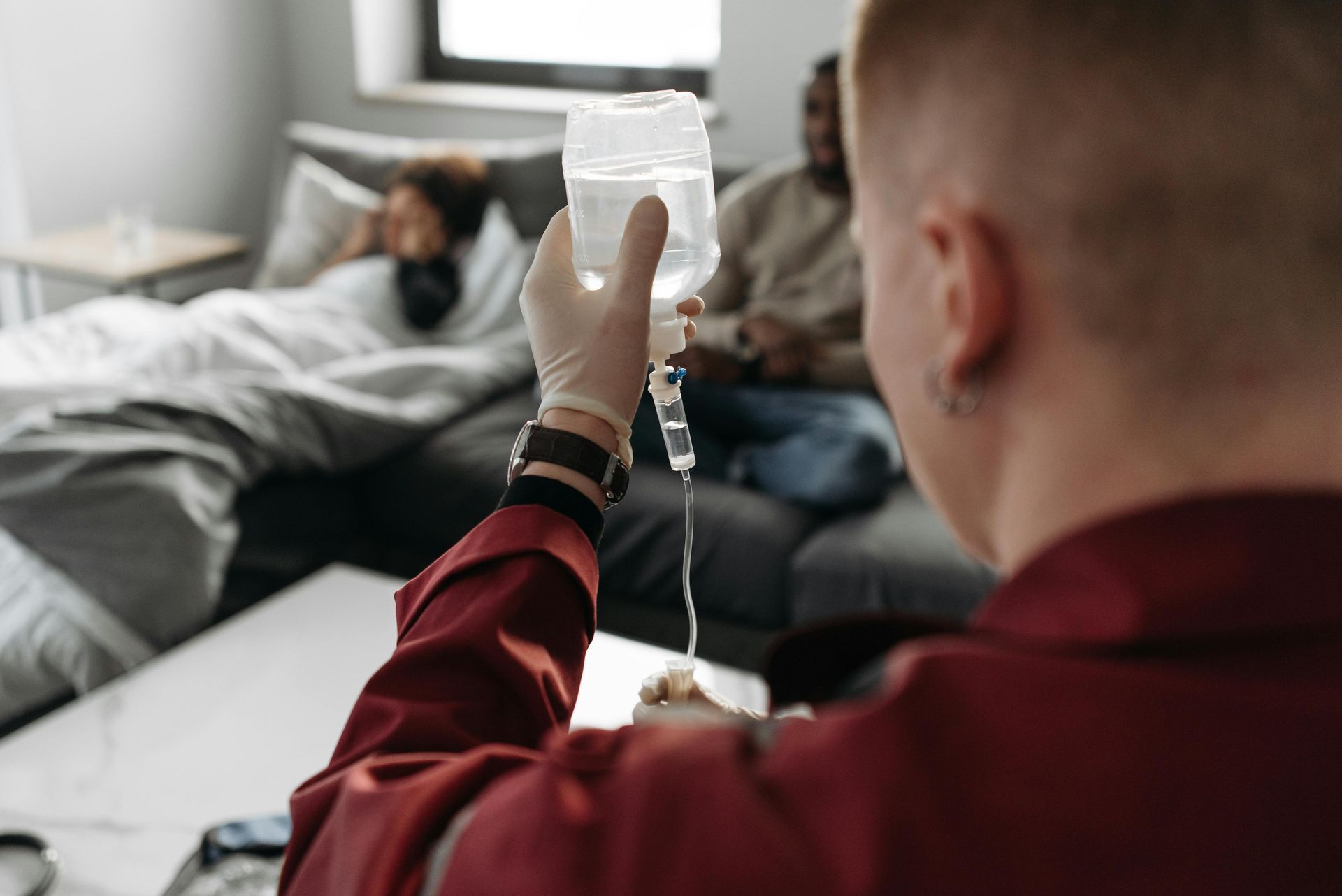
When a 2-day hangover lingers, water and rest often aren’t enough. That’s where Premium Mobile IV Therapy makes the difference. By delivering fluids, electrolytes, and nutrients directly into your bloodstream, our licensed clinicians target the root causes of prolonged hangovers—hydration gaps, nutrient loss, and nausea. With services brought to your home, hotel, or event, recovery becomes faster, easier, and more comfortable.
Key Benefits of Premium IV Therapy for Hangover Relief
Each benefit below shows how our hangover-focused IV service tackles a stubborn 2-day hangover from multiple angles:
- Hydration IV drip quickly replaces lost fluids with normal saline or lactated Ringer’s so you rebalance faster.
- Electrolyte rebalancing restores sodium, potassium, and magnesium to support proper muscle and nerve function and cut cramps/dizziness.
- Vitamin & nutrient support delivers B-complex and vitamin C to revive metabolic energy and mental clarity.
- Antioxidant protection with a glutathione add-on helps neutralize toxins and ease inflammation-driven headache and malaise.
- Clinician-guided medications can include anti-nausea or anti-inflammatory options to reduce discomfort when appropriate.
- Fast, lasting results—many clients feel better within 30–60 minutes, with benefits that can persist up to 48 hours.
Dragging yourself out of bed during a 2-day hangover can feel impossible. That’s why we offer mobile IV services so recovery comes to you when a 2-day hangover makes leaving home tough. Our trained professionals ensure a sterile setup, choose the most comfortable vein, and monitor your infusion from start to finish for safety and effectiveness. With fast relief delivered wherever you are, you can bounce back with confidence and get on with your day sooner.
Get fast migraine relief in Phoenix with mobile IV therapy. Treatment comes to you in 15-30 minutes. Book same-day appointments online now.
Discover Myers Cocktail IV therapy in Mesa. Learn how mobile IV wellness works, benefits, and why locals choose convenient at-home treatment.
Fast athletic recovery in Mesa with mobile IV therapy. Get hydration, amino acids & electrolytes delivered to you. Book your recovery drip today.
Get IV hydration therapy delivered to your Mesa home or office. Fast recovery, peak performance, and immediate results from certified mobile IV professionals.
Mobile IV therapy for hangovers in Mesa. Feel better in 30-60 minutes with professional hydration and electrolyte restoration. Book now at Premium IV Therapy.
Discover how mobile IV therapy for athletic performance in Mesa helps athletes recover faster, boost endurance, and optimize training results at home.
Discover how mobile IV therapy accelerates athletic recovery in Mesa. Learn benefits, how it works, and why athletes choose IV hydration therapy over traditional recovery methods.
Get fast hangover relief with mobile IV therapy in Mesa. Premium IV Therapy delivers hydration and nutrients directly to your home. Book your appointment today.
Get mobile IV hydration therapy delivered to your Mesa home or office. Fast, convenient wellness solutions for athletes and professionals. Book your session today.
Get fast hangover relief with mobile IV therapy in Mesa. Professional hydration delivered to your home in 30-45 minutes. Book your appointment today.


