Mobile IV Therapy Near Me: What to Expect
Key Takeaways
- Mobile IV therapy brings licensed nurses or paramedics directly to your home, office, or hotel room to deliver IV hydration and nutrients, typically within a 30–60 minute visit
- The process mirrors what happens in a clinic: a brief health screening, IV insertion, continuous monitoring, and simple aftercare instructions before the provider leaves
- Common reasons people search “mobile iv therapy near me” include hangover relief, travel recovery, illness support, athletic performance, and ongoing wellness goals
- Services are designed for generally healthy adults and involve sterile equipment and hospital-grade protocols—they are not a substitute for emergency medical care
- Expect to pay $150–$300 per session in 2025 depending on your city and drip selection, with insurance rarely covering the cost (though HSAs/FSAs sometimes can)
What Is Mobile IV Therapy? (And How It Works Near You)
Mobile IV therapy is a concierge-style wellness service where a licensed nurse travels to your chosen location and administers an IV drip containing saline, electrolytes, vitamins, and sometimes medications. Instead of driving to a clinic visit or urgent care center, you book an appointment and the provider comes to you.
This is the same IV hydration method hospitals across the US and UK have used for decades, adapted into a private, on-demand service you can book in 2025 via phone or online scheduling. The difference is accessibility and convenience—you receive IV therapy where you’re most comfortable.
Here’s the basic science in simple terms: IV fluids and nutrients go straight into your bloodstream through a small catheter in your arm. This bypasses your digestive system entirely, which means faster absorption and often more complete delivery than oral supplements. Research shows IV nutrient delivery achieves 100% bioavailability compared to just 20–50% from pills and drinks.
Common infusion types include:
| Drip Type | Primary Ingredients | Common Use |
|---|---|---|
| Hydration | Saline, electrolytes | Dehydration, travel recovery |
| Immunity | Vitamin C, zinc, B vitamins | Cold/flu support, immune support |
| Recovery | Magnesium, anti-nausea medication | Hangover relief, quick recovery |
| Performance | B-complex, amino acids | Athletic events, energy levels |
| Wellness | Mixed essential vitamins, minerals | Overall health optimization |
Sessions typically last 30–60 minutes. The healthcare provider sets up a small catheter in your arm or hand, monitors you throughout, and removes everything before they leave.

Who Is Mobile IV Therapy Near Me Best For?
Mobile IV therapy is designed for adults looking for convenience, privacy, and fast-acting support for hydration, recovery, or wellness goals. The service has gained popularity among people who value their time and want professional supervision without the waiting room experience.
Typical clients include:
- Busy professionals with demanding schedules and long workdays
- Frequent travelers dealing with jet lag and dehydration from flights
- Athletes before or after events seeking improved hydration and performance
- Parents short on time who can’t easily get to a clinic
- Wellness-focused adults optimizing energy levels and immunity
Group and event scenarios are increasingly popular too. Think bachelor or bachelorette weekends, weddings, sports tournaments, corporate retreats, and post-celebration gatherings at homes, Airbnbs, or hotel rooms. Many clients book sessions together, splitting travel fees and turning recovery into a social activity.
Who should generally avoid it:
- Minors (most providers require clients to be 18+)
- Pregnant or breastfeeding individuals
- People with severe kidney or heart disease
- Anyone with complex medical conditions who hasn’t cleared it with a doctor
A reputable provider will turn clients away or request medical clearance if screening suggests IV therapy might not be safe and effective treatment for them. This isn’t a limitation—it’s a safety feature.
Step-by-Step: What to Expect From a Mobile IV Therapy Visit
If you’re scheduling your first mobile IV therapy session, here’s exactly what happens from booking to aftercare. The process is straightforward and similar across most reputable “mobile IV therapy near me” providers.
A typical appointment includes:
- Online or phone booking
- Brief health assessment
- Nurse arrival and setup
- IV insertion and monitoring for 30–60 minutes
- Simple post-session guidance
The entire appointment commonly takes 45–75 minutes door-to-door, depending on your chosen IV package and initial paperwork. The steps are designed to be comfortable, not clinical.
Before Your Appointment
After you search “mobile IV therapy near me,” you’ll typically book online or by phone. You’ll choose a drip (hydration, immune boost, performance, etc.), select your date and time, and provide your address—whether that’s your home, office, or hotel room.
You’ll complete a health questionnaire covering your medical history, allergies, current medications (including blood thinners), and any recent illnesses. A licensed clinician reviews this information to approve or adjust your order based on your current health status.
Preparation tips:
- Eat a light meal 1–2 hours before the nurse arrives
- Drink water so veins are easier to access
- Prepare a comfortable space: couch or armchair, good lighting, and a side table for equipment
- Wear loose-fitting sleeves or a short-sleeved shirt
Reputable services confirm your appointment via text or email and may provide an ETA window and clinician name for safety and peace of mind.
When the Nurse Arrives
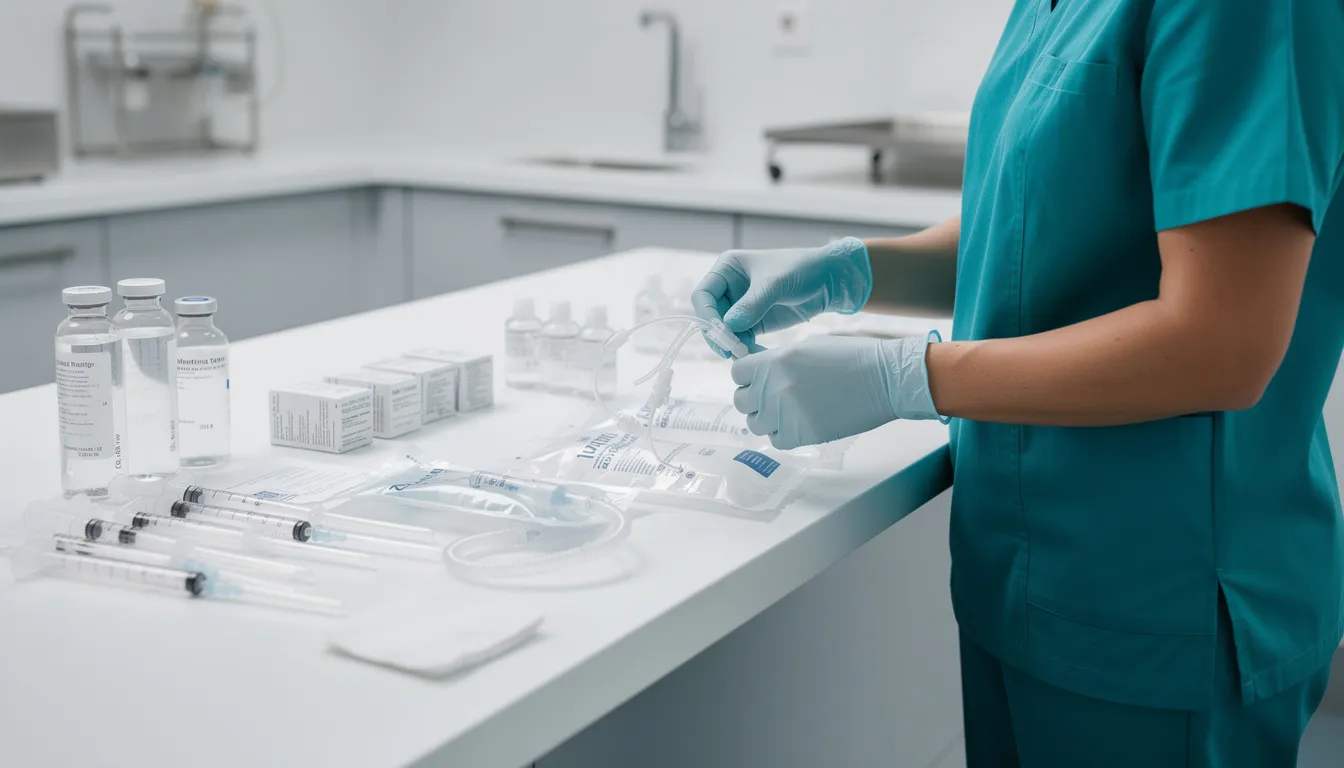
A licensed nurse, paramedic, or similarly qualified professional arrives with a medical bag, IV fluids, sterile supplies, and often a small portable stand for the drip. They use medical grade equipment that meets hospital sterilization standards.
The check-in process includes:
- Verifying your identity
- Reviewing your health form and health history
- Asking about your health goals (“recovery after last night,” “support during flu,” “pre-race hydration”)
- Answering any questions you have
Vital signs are commonly taken first—blood pressure, heart rate, and sometimes oxygen saturation—to ensure it’s safe to proceed that day. This is similar to what happens before any medical treatment in a clinical setting.
The nurse will do a quick visual exam of your arms or hands to choose a vein, then clean a small area of skin with antiseptic before inserting anything. You can ask them to talk you through each step, change positions, or pause if you’re nervous about needles.
The IV Insertion and Infusion
The IV insertion feels like a short, sharp pinch—similar to a routine blood draw. The nurse places a tiny plastic catheter that stays in your vein while the needle is removed immediately. What remains in your arm is flexible and much less noticeable than you might expect.
The IV bag is hung on a stand or hook, connected by tubing to your small catheter. The drip rate is adjusted so your mobile IV therapy session lasts about 30–60 minutes depending on the IV solution and your comfort level.
During the infusion, you can:
- Sit or recline comfortably
- Read, scroll your phone, or watch TV
- Take calls or answer emails
- Chat with the nurse
Mild sensations are normal. You might feel a bit chilly from cool fluids or notice a slight taste or smell with certain vitamins (vitamin C is a common one). However, pain or burning should be reported immediately so the nurse can adjust or restart the IV.
The clinician remains nearby throughout your receiving treatment to monitor comfort, periodically check the IV site, and watch for rare side effects like dizziness or nausea.

Finishing Up and Immediate Aftercare
When the bag is nearly empty, the nurse closes the line, removes the catheter, and applies gentle pressure and a small bandage over the site. Most people can stand up, walk around, and resume normal activities right away.
Simple aftercare tips:
- Keep the bandage on for at least 30 minutes
- Continue drinking water through the rest of the day
- Avoid alcohol or intense exercise immediately after
- Listen to your body and rest if needed
Providers typically give written or emailed aftercare instructions and guidance on when to contact them or seek medical help—for example, if swelling, significant pain, or shortness of breath occurs later.
Many clients report increased energy, clearer thinking, or improved hydration during the drip itself. Others notice the potential benefits more gradually over the next few hours or following day, depending on baseline health and chosen formula.
Common Mobile IV Drip Options and Expected Benefits
Mobile IV menus in cities across the US and UK in 2025 typically include named drips tailored to specific needs. While exact ingredients and names vary by provider, most blends revolve around saline or lactated Ringer’s solution, electrolytes, B vitamins, vitamin C, magnesium, zinc, and sometimes add-on medications.
Common drip examples:
| Drip Name | Key Ingredients | Expected Benefits |
|---|---|---|
| Hydration & Electrolyte | Saline, electrolytes, B-complex | Proper hydration, energy boost |
| Immunity Boost | Vitamin C, zinc, B vitamins | Immune support during illness |
| Hangover Recovery | Saline, anti-nausea medication, B vitamins | Hangover relief, quick recovery |
| Athletic Performance | Amino acids, magnesium, minerals directly | Pre/post-event support |
| Beauty & Wellness | Biotin, vitamin C, essential nutrients | Skin health, overall health |
This mobile IV service approach means you receive these nutrients directly into your bloodstream, delivering nutrients directly to your cells without the delays of digestive issues or first-pass liver metabolism that affect oral supplements.
Realistic expectations:
Mobile IV therapy may help relieve dehydration, mild fatigue, or nutrient depletion. However, it is not a cure for serious illnesses or a replacement for medical evaluation. Some people feel dramatic effects after one session—like night and day difference—while others notice subtler benefits over several hours.
Staying hydrated by drinking water, sleeping well, and maintaining healthy habits will influence how long results last.
Safety, Side Effects, and How to Choose a Provider Near You
Safety depends heavily on the qualifications of the clinician, sterile technique, and proper screening before the IV starts. Is mobile IV therapy safe? When administered by licensed healthcare professionals following proper protocols, yes.
Basic safety standards to look for:
- Licensed nurses or paramedics administering all treatments
- Physician or medical director oversight
- Single-use sterile equipment
- Clear infection-control protocols
- Thorough review of health concerns and medical conditions before starting
Common mild side effects:
- Temporary bruising at the IV site
- Soreness where the catheter was placed
- Feeling cold during the infusion
- Brief lightheadedness
Rare but serious risks (that providers are trained to monitor):
- Infection
- Vein irritation
- Fluid overload (especially concerning for those with heart or kidney issues)
- Allergic reactions
Tips for choosing a reputable provider:
- Check positive reviews from 2023–2025
- Confirm credentials of the medical professionals
- Ask about emergency procedures
- Request a full ingredient list before booking
- Verify they conduct a proper current symptoms and medical history review
Remember: IV therapy should complement—not replace—primary care. Seek urgent medical attention for symptoms like chest pain, breathing difficulty, or severe dehydration from ongoing vomiting or diarrhea.
Costs, Packages, and How Often to Book
Prices vary by city and provider, but as of 2025, most mobile IV sessions in major US metros fall between $150 and $300 per visit. Premium drips like NAD+ or specialized formulas can cost more—sometimes $400 or higher.
Additional cost factors:
| Factor | Impact on Price |
|---|---|
| Travel/call-out fees | +$25–$75 outside city centers |
| Evening/weekend/holiday appointments | +10–25% premium |
| Add-on vitamins or medications | +$20–$50 each |
| Group sessions | Potential discount per person |
Many providers offer package deals, membership discounts, or group rates for social events, which can lower the per-session cost if you plan regular sessions.
Insurance coverage: Most health insurance plans treat mobile IV therapy as an elective wellness service and do not cover it. However, some clients successfully use HSA or FSA funds where their plan permits. Check your specific total premiums and plan rules before assuming coverage.
Frequency guidance:
- Occasional sessions for hangover relief or jet lag: as needed
- Ongoing wellness support: every 2–4 weeks
- Athletic performance: before/after major events
- Illness recovery: during current symptoms
Consulting with your provider and, if needed, your own physician about a safe schedule based on your wellness goals is always smart.
Is Mobile IV Therapy Near Me Right for You?
Mobile IV therapy is best suited for adults who want convenient, on-demand hydration and nutrient support without driving to a clinic. If you value personalized care in your preferred location and want faster absorption than sports drinks or drinking water alone can provide, this service might fit your lifestyle.
Consider weighing:
| Pros | Cons |
|---|---|
| Convenience and privacy | Out-of-pocket expense |
| Rapid symptom relief | Results vary between individuals |
| Professional supervision | Not covered by insurance |
| No clinic wait times | Not appropriate for serious medical conditions |
People with chronic health conditions, complex medication lists, or recent hospitalizations should consult their physician first to ensure IV fluids and specific vitamins are appropriate.
Think about specific situations where booking a professional to come to you makes sense:
- Before a big work week when you need increased energy
- After long-haul flights when jet lag hits hard
- During cold and flu season when you need extra immune support
- Pre- or post-race when athletic performance matters
Choosing a reputable provider and being honest during the health screening are the most important steps to having a safe, comfortable first experience. Many clients who were nervous before their first home IV therapy session become regular customers once they experience the convenience and effectiveness firsthand.
Frequently Asked Questions
How quickly will I feel the effects of mobile IV therapy?
Some people notice increased energy, clearer thinking, or reduced headache within 15–30 minutes of starting the drip. Others feel the benefits more gradually over the next few hours. Your hydration status, sleep quality, caffeine intake, and overall health influence how dramatic and fast the effects appear. Typical wellness benefits can last from a couple of days up to about a week depending on the formula and your lifestyle habits.
What should I avoid before my mobile IV appointment?
Avoid heavy, greasy meals, excessive alcohol, and large doses of caffeine in the hours before your session. These can make veins harder to find or increase nausea during the infusion. Continue taking prescribed medications unless your doctor has said otherwise, but list all medications and supplements on your health form. Wearing loose-fitting sleeves makes the clinician’s job easier and your experience more comfortable.
Can I work or move around during the infusion?
Most clients sit or recline and can use laptops, phones, or tablets, take calls, or watch TV while the IV drip runs—as long as the arm with the IV stays relatively still. Gentle movements like adjusting position or walking to the bathroom with the nurse’s assistance are typically fine. Vigorous activity isn’t recommended during the drip. Treat the session as an opportunity to rest and reset when possible.
What if I’m afraid of needles?
The needle is only used briefly to place a tiny plastic catheter and is removed right away. What remains in your vein is flexible and much less noticeable than the initial insertion. Practical coping strategies include looking away during insertion, deep breathing, bringing music or a podcast, and telling the nurse about your anxiety so they can move slowly and explain each step. Many first-time clients report the discomfort is less than they expected—similar to a standard blood draw.
Can I get mobile IV therapy if I’m sick with a cold or flu
Many people book mobile IV therapy when they have mild to moderate cold or flu symptoms to support hydration and immune function with essential vitamins like vitamin C and zinc. However, anyone with high fever, chest pain, trouble breathing, confusion, or signs of severe infection should seek urgent or emergency medical care instead of relying solely on a mobile IV visit. Be honest about your current symptoms during the health screening so the clinician can decide whether hydration therapy at home is appropriate that day.
Mobile IV therapy for immunity boost in Gilbert delivers nutrients directly to your bloodstream. Schedule certified in-home infusions for faster immune support.
Transform your beauty with mobile IV therapy in Chandler. Hydration, anti-aging, and glow delivered to your home. Book your appointment today.
Get fast migraine relief in Phoenix with mobile IV therapy. Treatment comes to you in 15-30 minutes. Book same-day appointments online now.
Discover Myers Cocktail IV therapy in Mesa. Learn how mobile IV wellness works, benefits, and why locals choose convenient at-home treatment.
Fast athletic recovery in Mesa with mobile IV therapy. Get hydration, amino acids & electrolytes delivered to you. Book your recovery drip today.
Get IV hydration therapy delivered to your Mesa home or office. Fast recovery, peak performance, and immediate results from certified mobile IV professionals.
Mobile IV therapy for hangovers in Mesa. Feel better in 30-60 minutes with professional hydration and electrolyte restoration. Book now at Premium IV Therapy.
Discover how mobile IV therapy for athletic performance in Mesa helps athletes recover faster, boost endurance, and optimize training results at home.
Discover how mobile IV therapy accelerates athletic recovery in Mesa. Learn benefits, how it works, and why athletes choose IV hydration therapy over traditional recovery methods.
Get fast hangover relief with mobile IV therapy in Mesa. Premium IV Therapy delivers hydration and nutrients directly to your home. Book your appointment today.